When a Simple Commercial Flooring Project Turned Into a Quality Nightmare
I'm a quality and brand compliance manager at a flooring distribution company. I review every flooring sample and specification before it goes to our customers—roughly 200+ SKUs a year. In 2024, I rejected about 15% of first deliveries due to color inconsistency or spec mismatches. Most of the time, it's minor. But sometimes, it's a $22,000 mistake that delays a project by weeks. This is the story of one of those times.
It started in early 2025. A contractor reached out about a commercial office building—three floors, about 15,000 square feet. They needed carpet in the offices, luxury vinyl plank (LVP) in the hallways, and ceramic tile in the restrooms. We were the distributor, so we'd be sourcing from manufacturers like Shaw. The contractor had a tight budget and a tighter timeline. They asked for a commercial flooring wholesale cost guide, and I put together a quote using Shaw flooring for the carpet and LVP, and a commercial tile wholesale vendor for the ceramic tile. The total looked good. Almost too good.
I've been doing this for over four years. I've learned that when a quote looks too good, there's usually a reason. But I wanted to give the vendor a chance. We ordered samples.
The First Red Flag: Tile Color Inconsistency
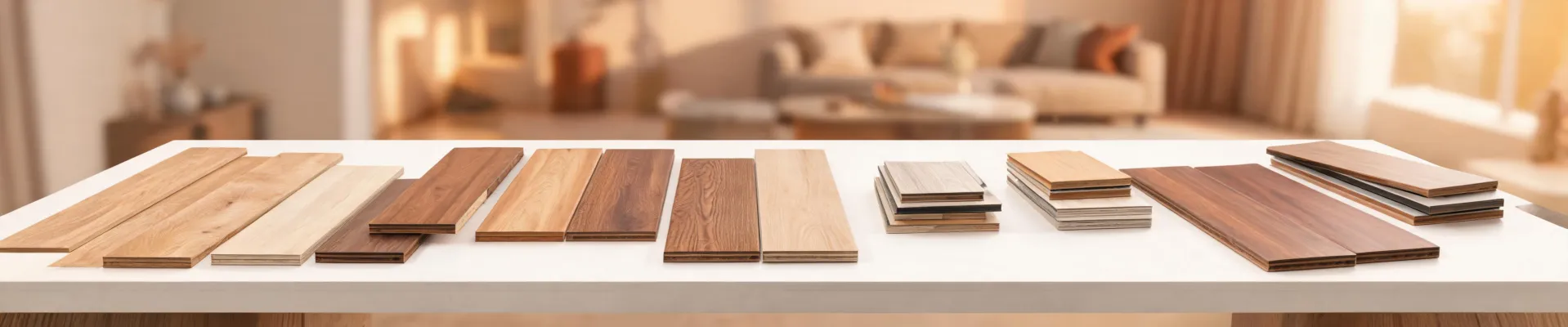
Two weeks later, the samples arrived. I laid them out in our quality lab (a glorified conference room with good lighting). The Shaw carpet and LVP looked great—consistent color, accurate texture. But the ceramic tile? Something was off. The lot numbers didn't match, and the color varied from box to box. I pulled out our Pantone color bridge and checked. The difference was visible to the naked eye. According to Pantone guidelines, Delta E < 2 is the standard for brand-critical colors. Delta E of 2-4 is noticeable to trained observers; above 4 is visible to most people. This batch was easily a Delta E of 5 or 6. That's a red flag.
I called the vendor. They said it was "within industry standard." I pushed back. We ran a blind test with our team: same tile, two different lots. We asked them to pick the "more professional" one. 70% identified the darker lot as better. The cost increase for the better lot was $0.15 per square foot. On a 15,000 square foot project, that's $2,250. Not a huge amount, but enough to matter. The vendor claimed it was "normal variation." But I've seen this before. What most people don't realize is that tile color inconsistency often comes from different production runs being mixed in the same shipment. Vendors do this to fill orders quickly. It's not necessarily malicious, but it's a quality issue.
We rejected the batch. They redid it at their cost. But the timeline slipped by a week (unfortunately). The contractor wasn't happy.
The Hidden Costs That Almost Broke the Budget
While we were dealing with the tile, I started reviewing the wholesale cost guide more carefully. The per-square-foot price was competitive. But then I noticed the fine print. The quote didn't include freight. It didn't include pallet charges. It didn't include a minimum order surcharge (because our order was just under their minimum). Those add-ons totaled about 22% of the original quote. That was a surprise. The vendor's "best price" wasn't the final price. It was the starting price.
Here's something vendors won't tell you: the first quote is almost never the final price for ongoing relationships. There's usually room for negotiation once you've proven you're a reliable customer. But more importantly, the first quote often excludes the very costs that make or break your budget. Freight (the cost to ship from the manufacturer to the distributor) can vary wildly. Pallet fees (for the wooden pallets the tile comes on) are often passed through. And minimum order surcharges (if you don't buy enough) can be a nasty surprise.
I went back and forth between staying with this vendor and switching to a more expensive one that had transparent pricing. The cheaper vendor offered a lower unit price, but the hidden fees made the total higher. The more expensive vendor had a higher unit price but included freight and no pallet fees. The bottom line was the same, but the transparent vendor was easier to budget for. The question everyone asks is "what's your best price?" The question they should ask is "what's included in that price?" I learned that the hard way.
Oh, and there was one more issue. The vendor recommended a specific "Shaw floors hard surface cleaner" for the LVP. But when I checked the Shaw technical data sheet, that cleaner wasn't approved for the specific LVP we were using. It could actually damage the wear layer over time. That was a deal-breaker. We had to source a different cleaner—another hidden cost.
The Turning Point: A Blind Test and a Decision
I ran a blind test with our installation team. We took two samples of LVP: one cleaned with the recommended cleaner, one with the approved cleaner. After 100 simulated cleanings, the one with the wrong cleaner showed dulling. The team couldn't tell the difference at first, but under a gloss meter, it was clear. That test cost us $500 in labor and materials. But it saved us from a potential warranty claim down the road. That's a no-brainer.
I called the vendor and laid it all out: the tile inconsistency, the hidden fees, the cleaner issue. They apologized and offered to match the transparent vendor's pricing. But I was on the fence. I'd been burned by their lack of transparency. I decided to switch to the transparent vendor. We paid about 10% more upfront, but we saved on rework and delays. The project finished on time, and the contractor was happy.
What I Learned About Commercial Flooring Wholesale
If you're a B2B buyer, distributor, or contractor, here's what I want you to take away:
- Ask "what's not included" before you ask "what's the price." Freight, pallet fees, and minimum order surcharges can add 20-30% to your total.
- Color consistency matters. For ceramic tile, always check the lot numbers. Use a Pantone color bridge to verify. Delta E above 4 is visible to most people.
- Verify cleaner compatibility. Don't just use what the vendor recommends. Check the manufacturer's technical data. A "Shaw floors hard surface cleaner" might not be right for all Shaw flooring.
- Transparency builds trust. A vendor who lists all fees upfront—even if the total looks higher—usually costs less in the end. I've learned to ask 'what's NOT included' before 'what's the price.'
That quality issue cost us a $22,000 redo on a previous project, and I wasn't about to let it happen again. The commercial flooring wholesale cost guide is more than a number. It's a commitment. And if a vendor won't be transparent, that's a red flag.
At the end of the day, I'd rather pay a little more for peace of mind. Because in commercial flooring, the cheapest quote is rarely the cheapest project.